Lamb's QuartersNature's Wild Spinach
The complete guide to one of the world's most nutritious and widespread wild edible greens. Learn to identify, forage, cook, grow, and manage lamb's quarters — also known as lambs quarter, fat hen, goosefoot, and wild spinach.
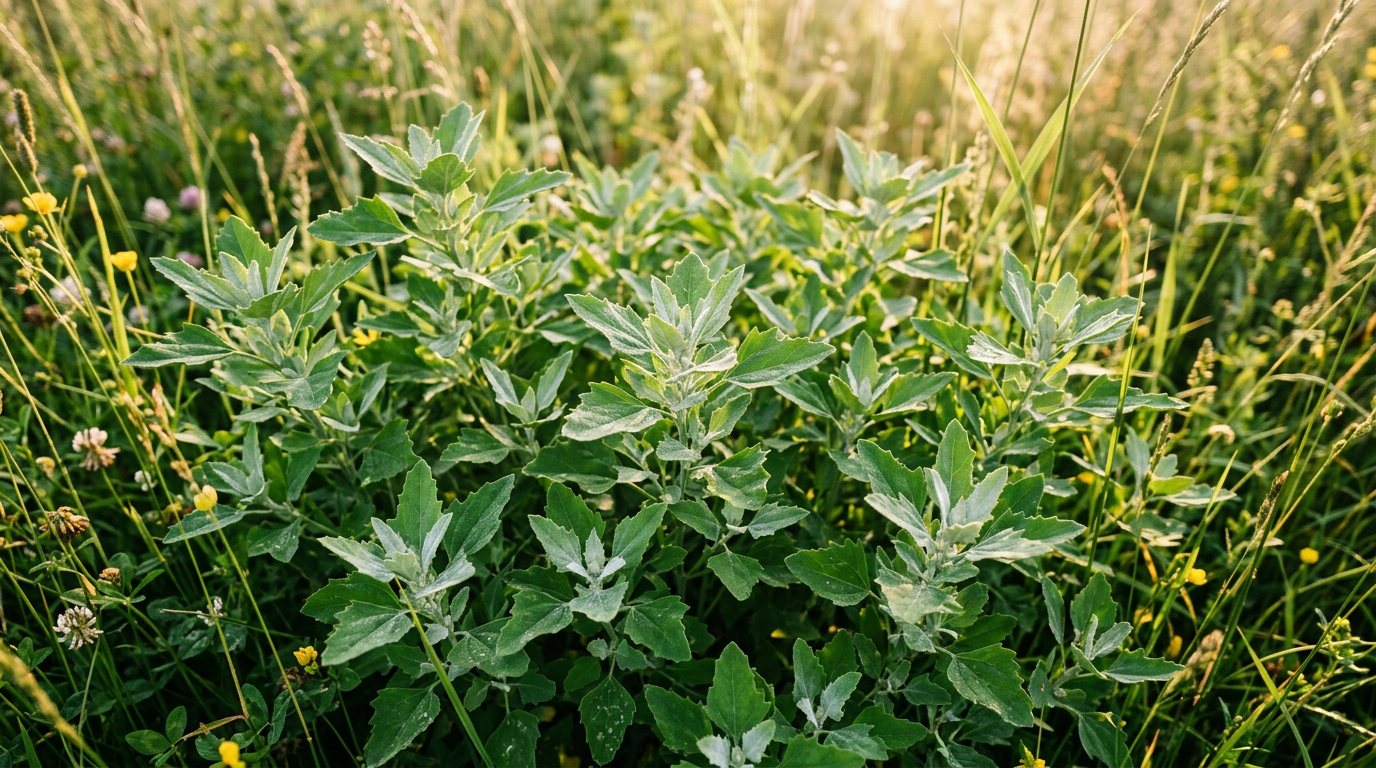
Explore the Complete Guide
Whether you're a forager, gardener, cook, or curious naturalist — find everything you need to know about lamb's quarters.
Identification
Visual ID guide from seedling to mature plant
Read moreLook-Alikes
Tell it apart from pigweed, nightshade & more
Read moreNutrition
Nutritional facts & health benefits
Read moreRecipes
6 easy ways to cook wild spinach
Read moreTea Guide
How to brew lamb's quarters tea
Read moreSeeds
Growing from seed & where to buy
Read moreGrowing Guide
Habitat, zones & how to cultivate
Read moreHarvesting
When & how to harvest + preserving
Read moreWeed Control
How to remove it from your garden
Read moreAnimals
Safety for rabbits, goats & chickens
Read moreHistory
Folk uses & cultural significance
Read moreBlog
Foraging articles & guides
Read moreIdentification at a Glance
Lamb's quarters is one of the easier wild plants to identify once you know what to look for. Here are the four key traits:
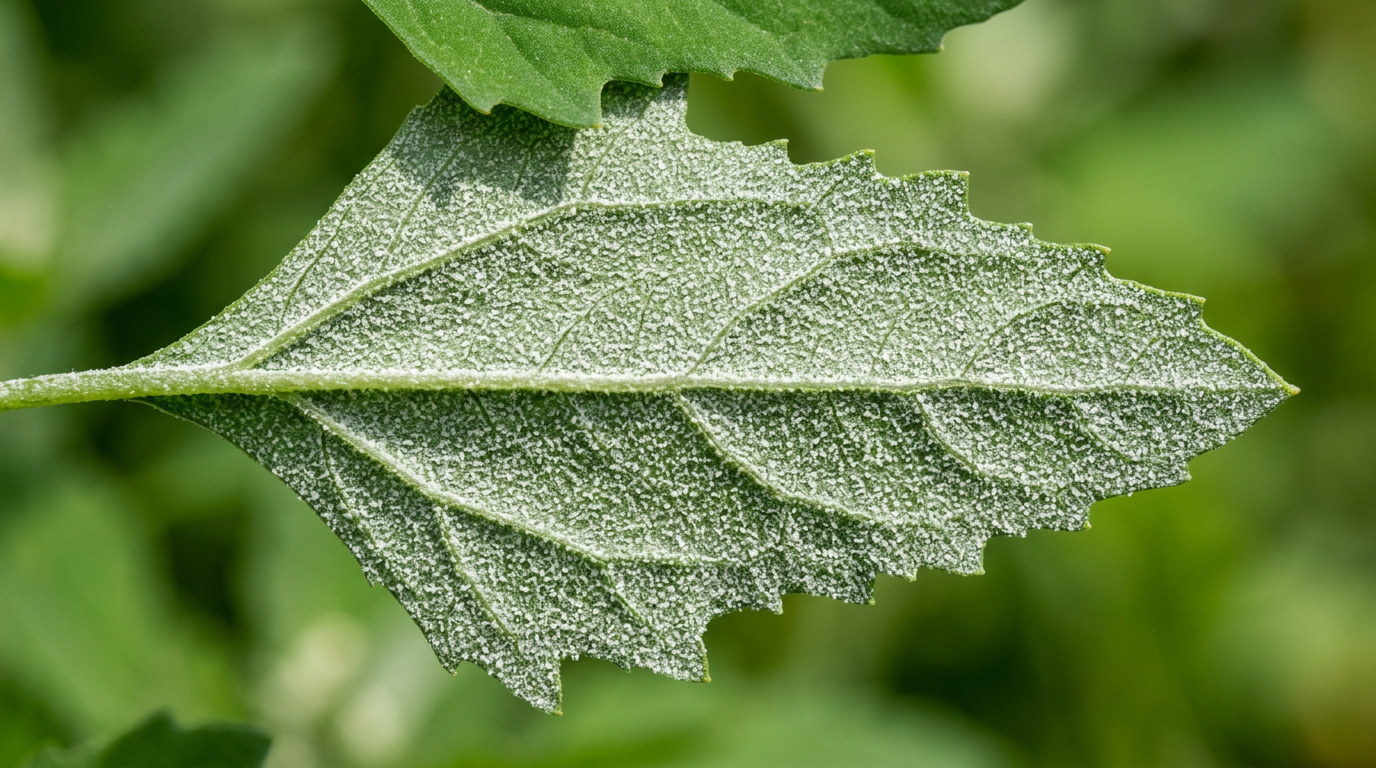
Mealy White Coating
The #1 identifier — young leaves and growing tips look dusted with white flour. Rub a leaf; the waxy, water-repellent mealiness is unique to Chenopodium.
Diamond-Shaped Leaves
Leaves are distinctly diamond-shaped (rhombic) with irregular, wavy-toothed margins. They grow alternately along the stem.
Purple-Striped Stems
Mature stems often show reddish-purple stripes or coloring, especially at the nodes and base of the plant.
1–6 Feet Tall
Plants range from small seedlings to towering 6-foot specimens in rich soil. Most commonly 2–4 feet in gardens.
Is It Edible? Absolutely.
Lamb's quarters is not just edible — it's one of the most nutritious leafy greens on Earth. The young leaves taste like mild spinach with a slightly earthy, mineral quality. You can eat them raw in salads, sauté them with garlic, blend them into pesto, or use them anywhere you'd use cultivated spinach.
Both leaves and seeds are edible. The seeds are related to quinoa and have been used as grain for thousands of years. Like spinach, lamb's quarters contains oxalates, so cooking is recommended for large quantities.
Nutrition Snapshot
Per 100g of raw leaves, lamb's quarters delivers remarkable nutritional value — often exceeding cultivated spinach.
Trying to Get Rid of It?
If you're a gardener battling lamb's quarters as a weed, you're not alone. One plant can produce up to 70,000 seeds, and those seeds can remain viable in the soil for over 40 years. Our weed control guide covers hand-pulling, mulching, herbicides, and prevention strategies.
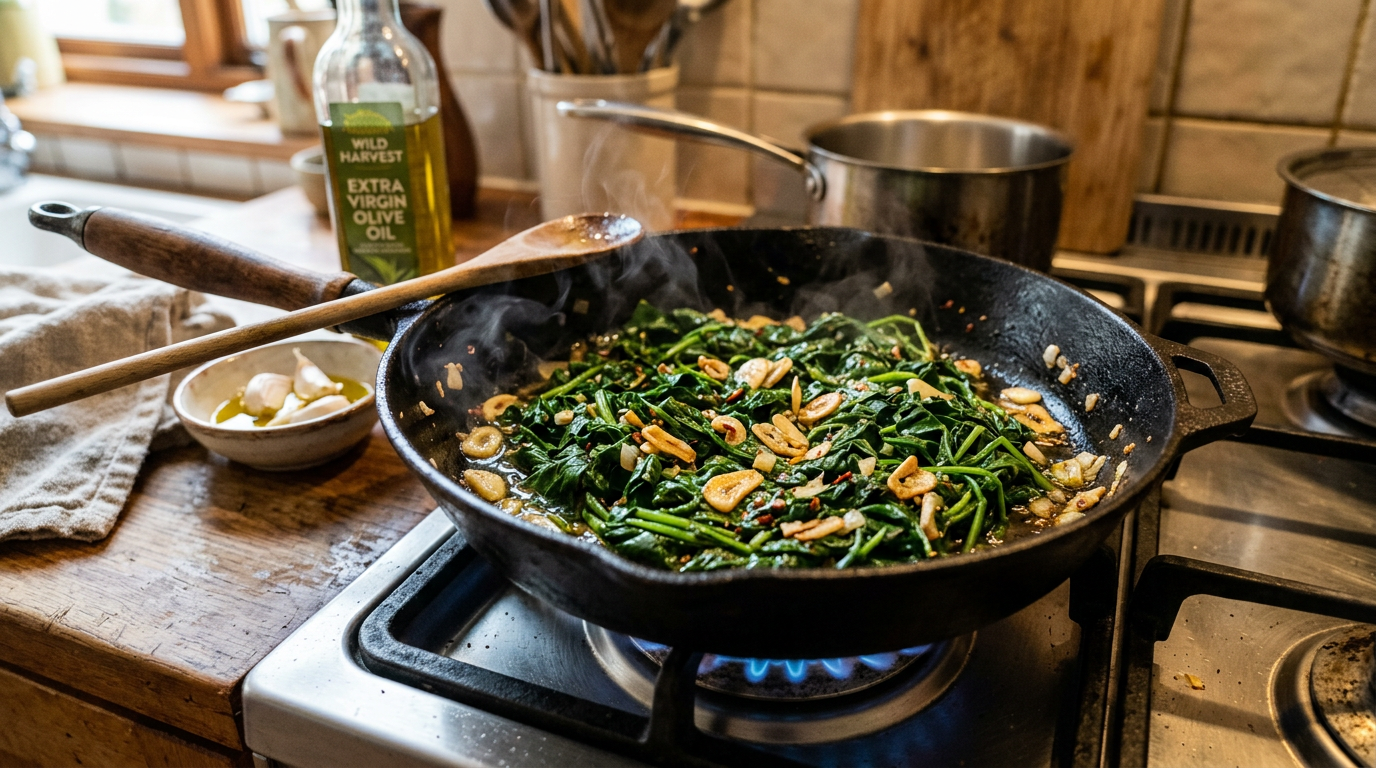
Cook With Wild Spinach
Lamb's quarters tastes like a milder, slightly earthier spinach — and it can be used in every recipe that calls for cooked greens. From a simple three-minute sauté to homemade pesto that freezes beautifully, these are the easiest ways to enjoy this foraged superfood.
- Simple Sautéed Lamb's Quarters
- Lamb's Quarters Pesto
- Wild Spinach Salad
- Lamb's Quarters Soup
- Lamb's Quarters Powder
- Quick Blanched Greens
Frequently Asked Questions
Is lambs quarter edible?
Yes! Lamb's quarters (Chenopodium album) is one of the most nutritious and widely eaten wild greens in the world. Both the leaves and seeds are edible. The young leaves taste like a mild, earthy spinach and can be eaten raw in small amounts or cooked like any leafy green. It has been consumed by humans for thousands of years across every inhabited continent.
What does lamb's quarters look like?
Lamb's quarters has distinctive diamond-shaped (rhombic) leaves with wavy, toothed edges. The most reliable identifying feature is the white, powdery, mealy coating on young leaves and growing tips — it looks like the plant was lightly dusted with flour. Plants grow 1–6 feet tall with branching stems that often have red or purple stripes. Tiny greenish flowers form in dense clusters at the stem tips from July through September.
Is lamb's quarters the same as wild spinach?
Yes — "wild spinach" is one of the most common informal names for lamb's quarters. It earned the name because its flavor and culinary uses closely mirror cultivated spinach, and its nutritional profile actually exceeds spinach in several key vitamins and minerals. Other common names include fat hen (UK), goosefoot, white goosefoot, and pigweed.
Where does lamb's quarters grow?
Lamb's quarters grows almost everywhere in the temperate world. Originally from Eurasia, it has naturalized across all of North America, Europe, Australia, and much of Asia and South America. It thrives in disturbed soil — garden beds, compost piles, field edges, roadsides, and vacant lots. It grows in USDA zones 3–11 and can be found from spring through fall in most regions.
Is lamb's quarters the same as lamb's ear?
No — they are completely different plants. Lamb's ear (Stachys byzantina) is a fuzzy, silvery ornamental plant with soft, woolly leaves. Lamb's quarters (Chenopodium album) has smooth, diamond-shaped green leaves with a powdery white coating. The confusion is entirely in the similar names; the plants look nothing alike up close.
Can you eat lamb's quarters raw?
Yes, you can eat lamb's quarters raw, especially the young, tender leaves. They make an excellent addition to salads. However, like spinach, lamb's quarters contains oxalic acid (oxalates), so it's best to eat raw portions in moderation. Cooking significantly reduces oxalate levels, which is why cooked preparations are recommended for larger servings.
What kills lambs quarter weed?
For organic control, hand-pulling before the plant sets seed is most effective — one plant can produce up to 70,000 seeds. Mulching with 3–4 inches of organic material prevents germination. For chemical control, glyphosate (Roundup) is effective on actively growing plants, and pre-emergent herbicides like trifluralin or pendimethalin prevent germination. See our full weed control guide for detailed methods.
Dive Deeper Into Every Topic
From field identification to kitchen table — explore our complete lamb's quarters resource library.
Visual ID guide from seedling to mature plant
Tell it apart from pigweed, nightshade & more
Nutritional facts & health benefits
6 easy ways to cook wild spinach
How to brew lamb's quarters tea
Growing from seed & where to buy
Habitat, zones & how to cultivate
When & how to harvest + preserving
How to remove it from your garden
Safety for rabbits, goats & chickens
Folk uses & cultural significance
Foraging articles & guides